

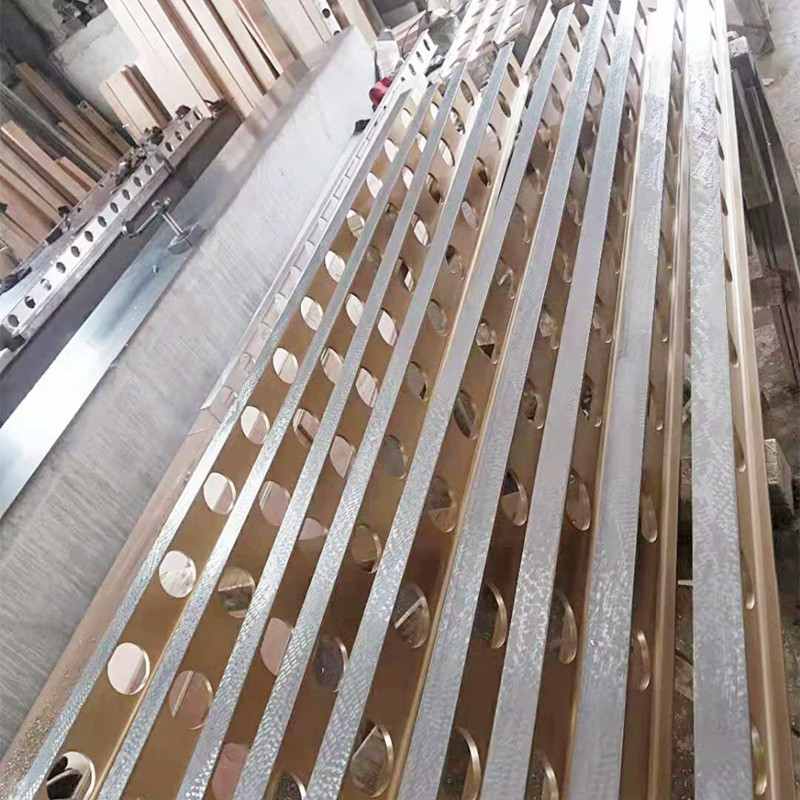
fire proof glass panels
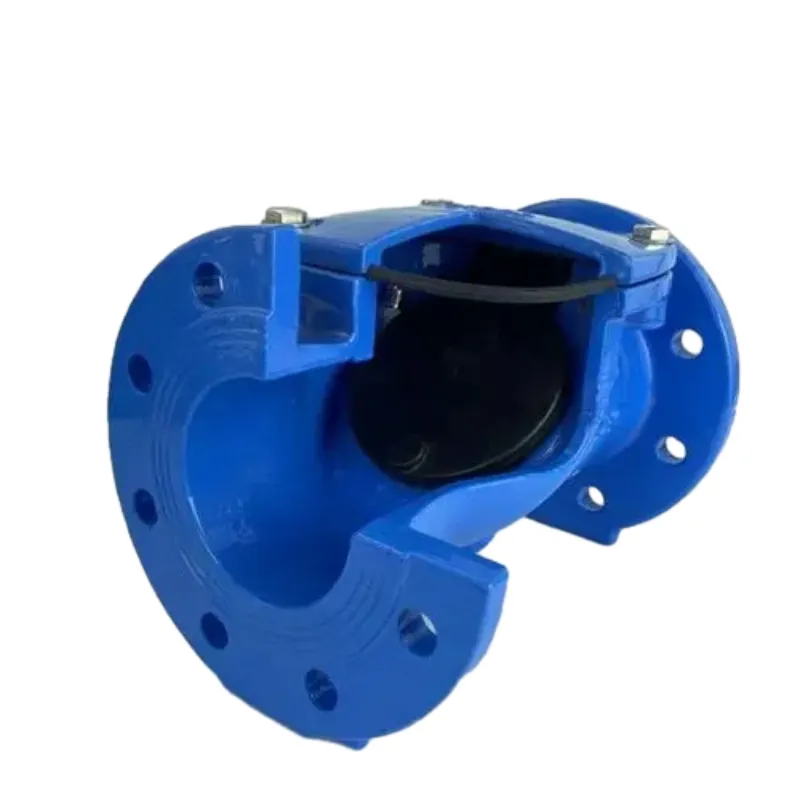
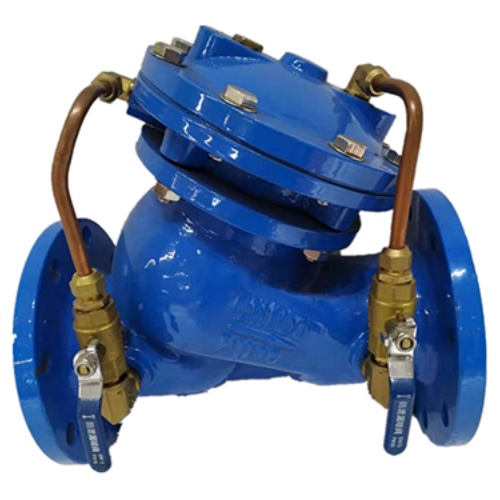
Understanding Gate Valves A Focus on 2-inch Gate Valves Gate valves are essential components widely used in various piping systems, particularly in the oil and gas, water distribution, and chemical industries. They serve a crucial function in regulating the flow of liquids and gases, making them an indispensable part of modern infrastructure. Among the various sizes and types, 2-inch gate valves stand out due to their versatility and efficiency in a range of applications. What is a Gate Valve? A gate valve is a type of valve that opens by lifting a round or rectangular gate out of the path of the fluid. When fully opened, it allows for a straight-through flow with minimal resistance, making it an excellent choice for applications where you want to ensure an unobstructed flow. Gate valves are typically operated manually, although automated versions are also available. Features of 2-inch Gate Valves A 2-inch gate valve is designed to control the flow of fluid through pipes that have a diameter of 2 inches. Here are some of its key features 1. Material Choices 2-inch gate valves are available in various materials, including brass, stainless steel, and ductile iron. The choice of material often depends on the application and the type of fluid—whether corrosive or non-corrosive. 2. Operation These valves can be operated using a handwheel, lever, or actuator. Manual operation is common, and the torque required to open or close the gate valve is manageable, even in larger sizes. 3. Pressure Ratings 2-inch gate valves are designed to withstand different pressure levels. Depending on the manufacturing standard, they can handle pressures ranging from ANSI Class 150 to Class 300 or higher. 4. Leakage Control Gate valves typically provide a tighter seal when fully closed, making them less susceptible to leakage compared to other valve types, such as globe or ball valves. 5. Flow Characteristics When fully open, a gate valve offers a high flow capacity with low flow resistance, making it suitable for applications where a quick and unrestricted flow is required. Applications of 2-inch Gate Valves gate valve 2 1 2 inch Gate valves are predominantly used in various applications, including 1. Water Supply Systems Used to start or stop the flow of water in municipal supply lines. 2. Wastewater Treatment Essential for controlling the flow in treatment plants to ensure efficient operations. 3. Fire Protection Systems Critical in fire hydrant systems, allowing for rapid flow control during emergencies. 4. Oil and Gas Sector Used in pipeline operations to regulate the products transported over vast distances. 5. Chemical Processing Employed in pipelines that transport various chemicals, where a reliable sealing capability is essential to prevent leaks. Advantages and Disadvantages While 2-inch gate valves offer numerous advantages, they also have some limitations Advantages - Minimal flow resistance when fully open - Tight sealing capability that minimizes leakage - Simple design leading to ease of maintenance Disadvantages - Slower opening and closing times compared to other valves - Not suitable for throttling applications (i.e., where precise flow control is necessary) - Can be susceptible to corrosion if not made from the right materials for specific environments Conclusion In conclusion, 2-inch gate valves are vital components in various industrial applications due to their reliability and efficiency in controlling fluid flow. Understanding the characteristics, advantages, and limitations of gate valves can help engineers and operators make informed decisions about the best solutions for their fluid control needs. Whether used in municipal water systems, fire protection, or oil pipelines, the significance of gate valves continues to be relevant in our everyday lives. Therefore, proper selection, installation, and maintenance are crucial to ensuring their optimal performance and longevity.
about
fire proof glass panels
The Significance of the Right Angle Ruler in Geometry and Construction The right angle ruler, often referred to as a framing square or a carpenter's square, is an essential tool in both geometry and various forms of construction. This vital instrument enables users to draw and measure precise right angles, which are fundamental to achieving accuracy in architectural designs and woodworking projects. The right angle formed by the ruler—90 degrees—is the backbone of many structural elements, ensuring stability and aesthetic harmony. In geometry, the right angle ruler demonstrates the principles of Pythagorean theorem, which states that in a right triangle, the square of the length of the hypotenuse is equal to the sum of the squares of the other two sides. This relationship is not merely theoretical; it has practical applications in fields ranging from engineering to graphic design. By using a right angle ruler, practitioners can easily create right triangles, thus validating the theorem and facilitating complex calculations. The construction industry relies heavily on the right angle ruler for laying out foundations, framing walls, and aligning structures. A minor error in measurement can lead to significant structural inadequacies. The use of a right angle ruler mitigates this risk by ensuring that all corners are perfectly squared . This tool provides a level of precision that is vital for the integrity of buildings, bridges, and other structures. Carpenters, masons, and architects utilize a right angle ruler as a standard practice to ensure that all elements meet at correct angles, thus ensuring safety and functionality. right angle ruler Beyond its practical applications, the right angle ruler has become a symbol of craftsmanship and quality. In woodworking, for instance, achieving a perfect right angle is often equated with skill and precision. Craftsmen take pride in their ability to manipulate the ruler, combining it with hand tools to produce exquisite pieces of furniture or intricate designs. The right angle ruler also plays a significant role in teaching the principles of geometry and spatial awareness to students, making it a staple in educational settings. Moreover, the development of modern technology has enhanced the traditional right angle ruler. Digital versions and laser measurement tools that incorporate right angles have emerged, providing even greater accuracy and ease of use. However, the fundamental concept remains the same. Whether one is using a standard metal square or a digital tool, the importance of the right angle endures. In conclusion, the right angle ruler is more than just an instrument; it is a fundamental component that underpins our understanding of geometry and construction. From ensuring the stability of structures to fostering creativity in design, the right angle ruler continues to serve various industries with unmatched reliability and precision. It stands as a testament to the importance of accuracy in both practical applications and artistic endeavors, maintaining its relevance in an ever-evolving technological landscape.
-

High quality industrial productsagement

High quality industrial products
View Details -

Meet the diverse needs of customers

Meet the diverse needs of customers
View Details -

Strict quality control

Strict quality control
View Details -

Top raw materials

Top raw materials
View Details -

Trusted supplier

Trusted supplier
View Details
Our application


news and information
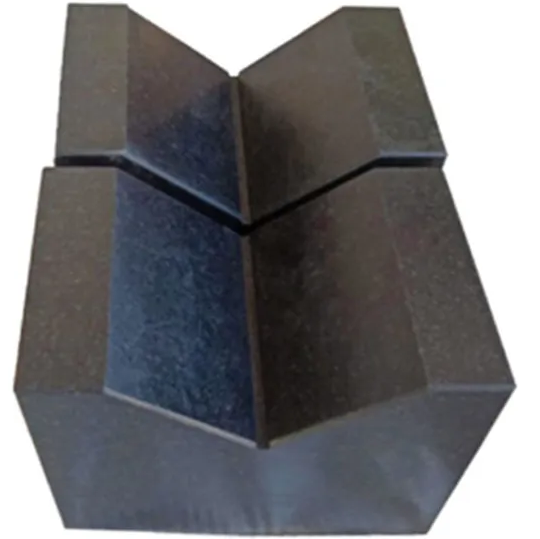
Using a Small Hole Gauge for Precision Measurement and Inspection of Small Orifices
The Importance of Small Hole Gauges in Measurement Small hole gauges are precision instruments used
water main shut off valves
Water main shut off valves play a critical role in maintaining the health and efficiency of any resi
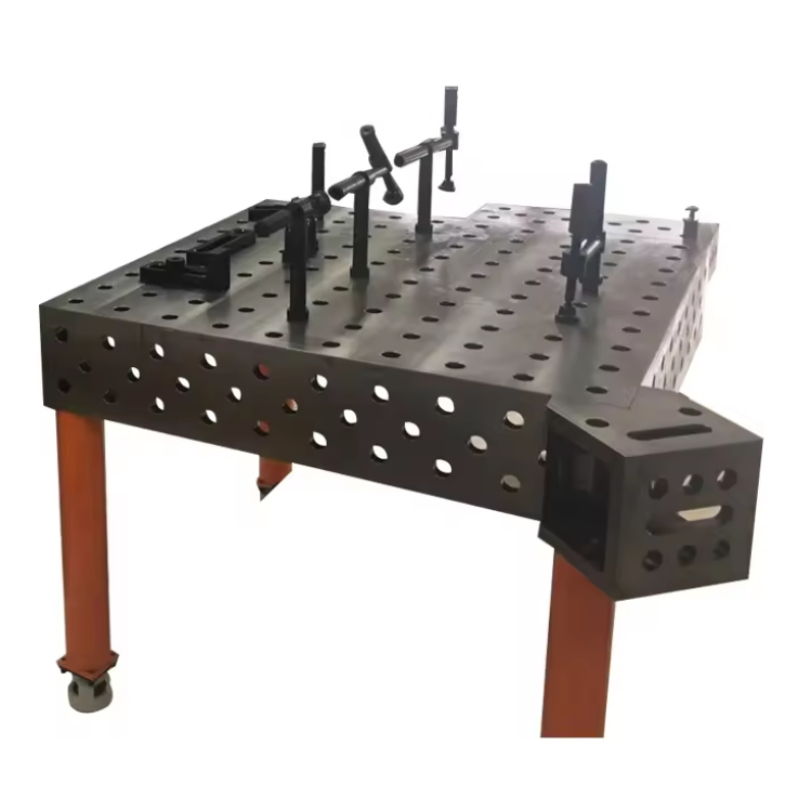
Versatile 3D Welding Table for Enhanced Fabrication and Precision Work
The Importance and Advantages of 3D Welding Tables in Modern Fabrication In the world of metal fabri
 English